

Sustainability through Quality: Miele’s Perspectives at the Control Expert Days
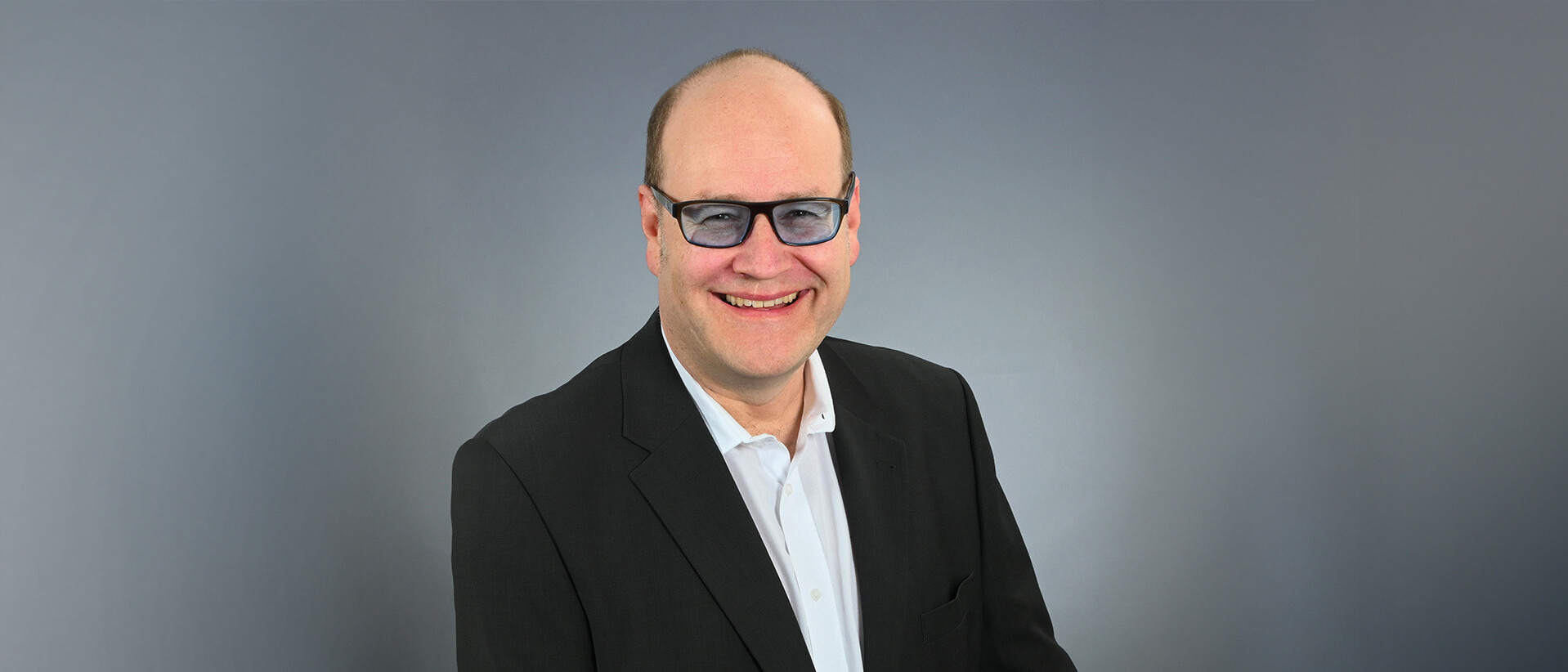
Guido Nilgen, Director Quality Management/Technology Center Drives bei Miele
Just how closely quality assurance, innovation and sustainable business practices are now linked is demonstrated by the example set by premium manufacturer Miele. Durable products, circular economy concepts and data-based quality strategies are at the heart of their holistic corporate approach.
Guido Nilgen, director of the Quality Management/Technology Centre for Drives at Miele, will share this perspective from a practical standpoint at the 2026 Control Expert Days. As an enthusiast for quality and sustainability at Miele, he advocates an approach that views quality not only as a technical discipline, but also as a key contributor to lasting value creation.
On the first day of the event, beginning at 3 p.m., he’ll discuss “Sustainability through Quality Assurance” at a panel discussion moderated by QZ editor-in-chief Wolfgang Kräusslich.
Guido Nilgen offers some initial insights in advance – three questions, three answers:
1. According to the 2025 Sustainability Report, Miele is synonymous with long-lasting quality, innovation and sustainable business practices – what does that mean to you as an enthusiast for quality and sustainability?
For me personally, it fulfils exactly what’s been motivating me for years. For me, durability isn’t just a technical promise, but rather an expression of respect for people and resources. Testing products for a service life of up to 20 years reflects a commitment to quality. The focus on sustainability has been rooted in Miele’s corporate history right from the very beginning … it’s part of our DNA.
For me, innovation is the second major building block: whether you’re talking about our refurbishment programme, which provides our washing machines with a new lease of life, or circular design as demonstrated by our VOOPER vacuum cleaner study. Examples like these illustrate how closely quality and sustainability are linked to each other.
Finally, for me, sustainable business practices mean taking our “Always Better” motto seriously – not as a quest for perfection, but as a shared journey. All in all, this means that I can follow my passion – creating quality that truly makes a difference.
2. “Sustainability through Quality Assurance” will be the theme of the panel discussion at the 2026 Control Expert Days. Where does QA become a genuine driver of sustainable value creation in actual practice – is there another striking example from your company?
QA also becomes a real driver of sustainable value creation in everyday practice by means of predictive quality. With the help of AI, we’re now able to look into the future when analysing quality, process, and usage data. We’ve already implemented tangible use cases at Miele – on the shop floor in order to reduce scrap and rework, as well as in customer service to support troubleshooting and corrective action. However, our experience shows that it’s important for people, not machines, to make final decisions based on predictions.
3. The “Always Better” brand promise is also based on sustainable quality assurance – in your view, is this a key factor for long-term competitiveness?
For me, “Always Better” not only stands for durable and reliable products – it also describes the attitude of understanding quality as a contribution to sustainable business practices. Our customers have always associated Miele with both: premium quality and a sense of responsibility. And this is precisely why sustainable quality assurance is a key competitive factor. It promotes longevity, drives innovations such as predictive quality and second-life concepts, and it strengthens the trust our brand has enjoyed for decades. Taking a holistic approach to quality, and not just meeting but also exceeding customer requirements, ensures long-term relevance and success.